Sustainability is becoming an increasingly important consideration across the construction industry, influencing everything from the initial design of a building to the materials selected and the way projects are delivered.
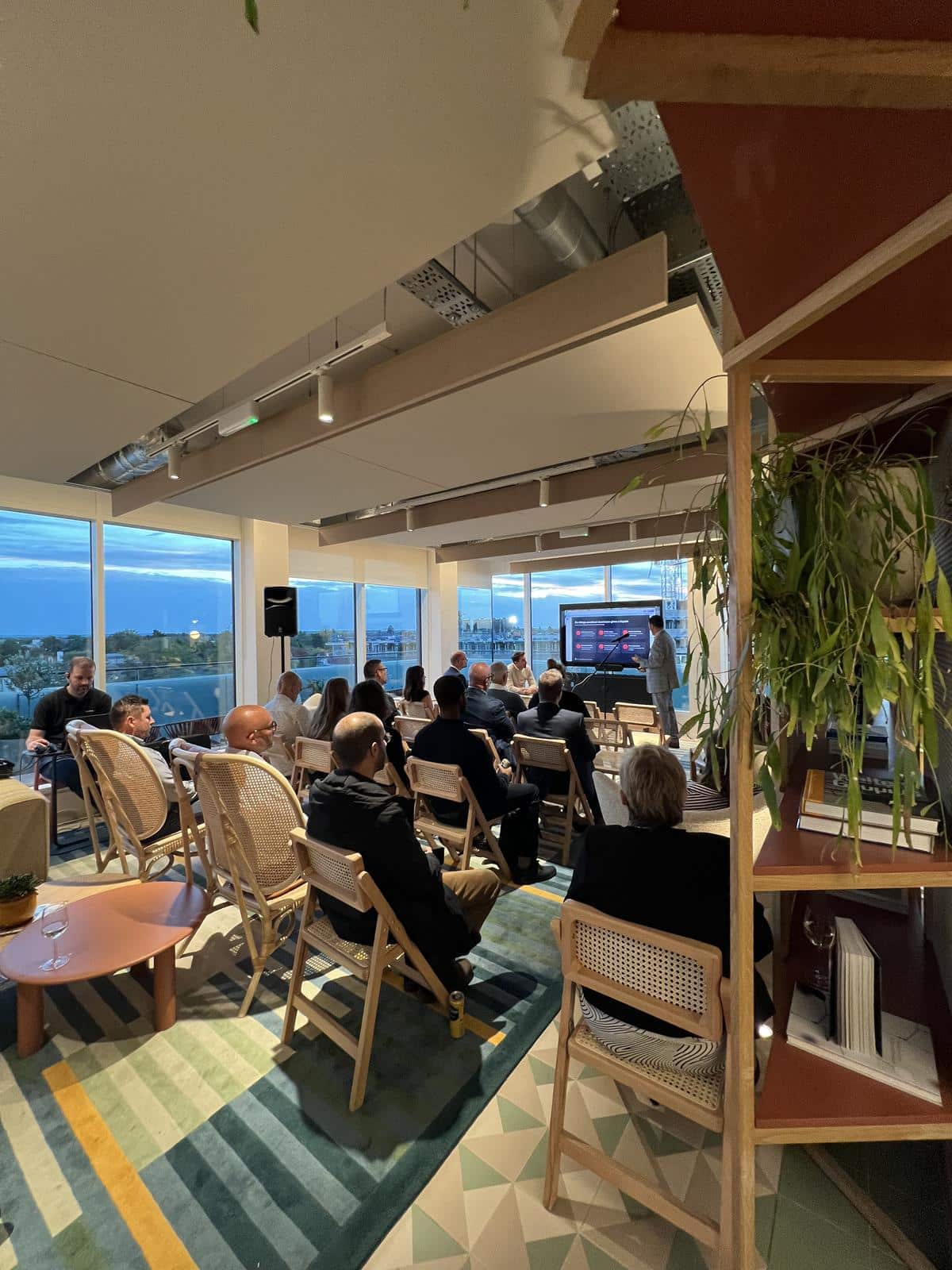
On Thursday 22nd October, SWW Marketing brought together professionals from across the construction industry and architectural sectors for Sustainability Starts with Materials, an evening dedicated to exploring the role sustainability plays in shaping the built environment.
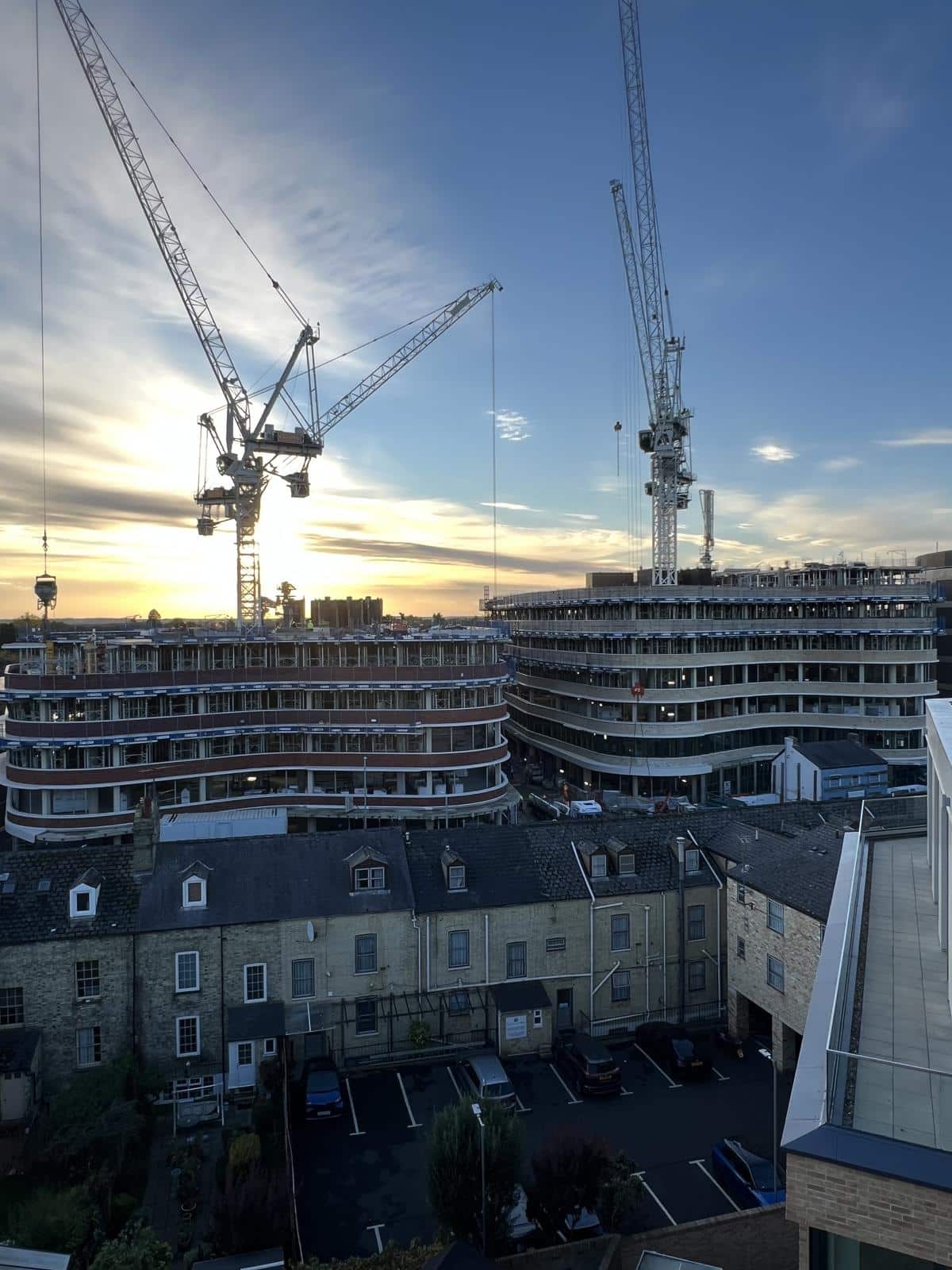
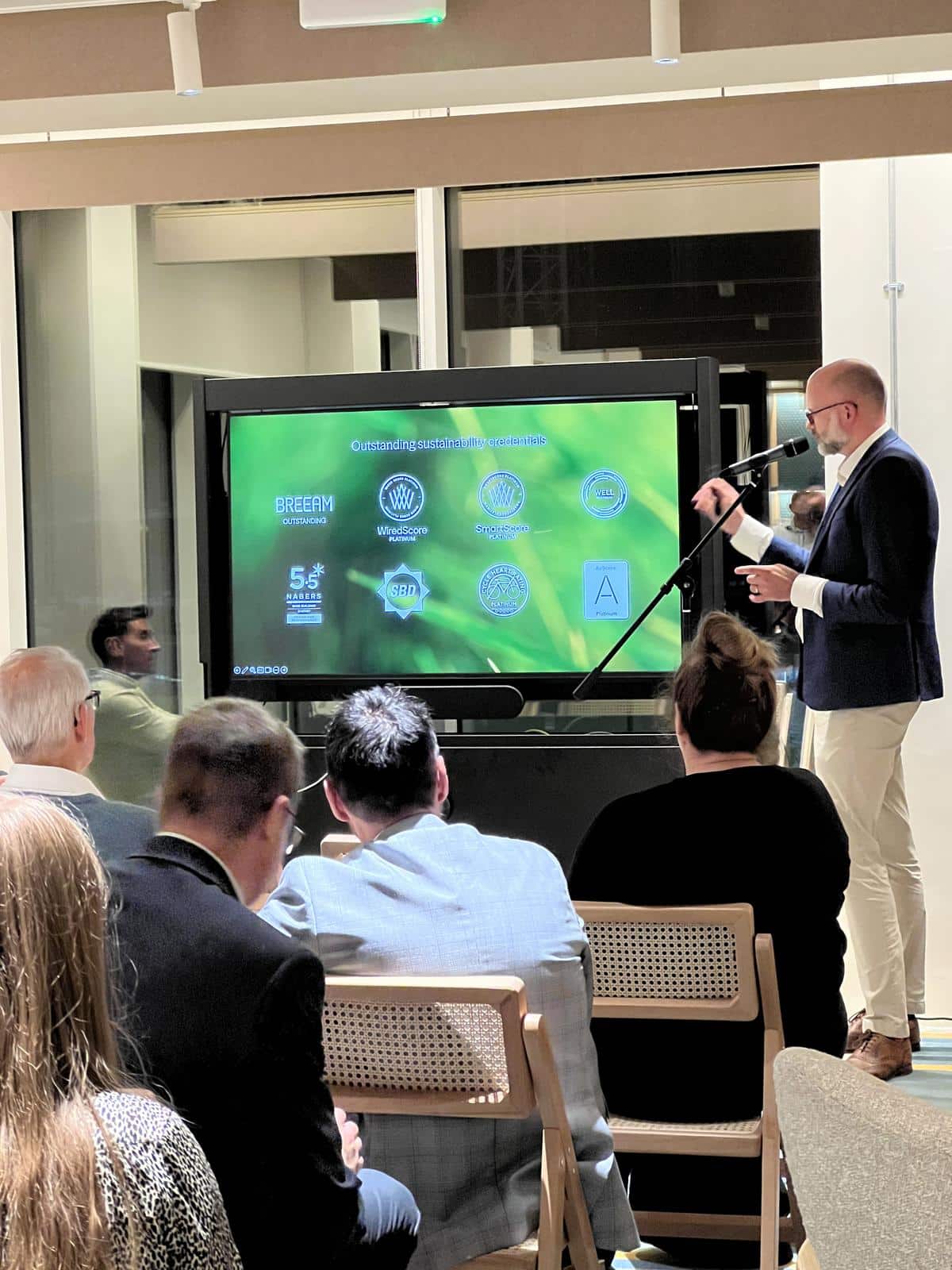
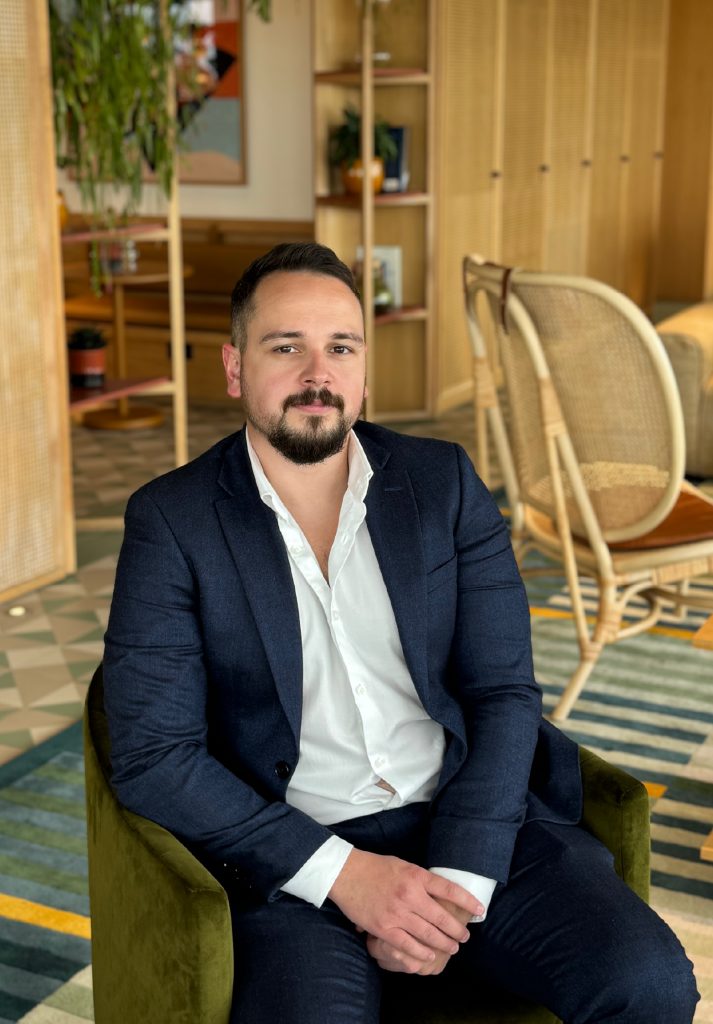
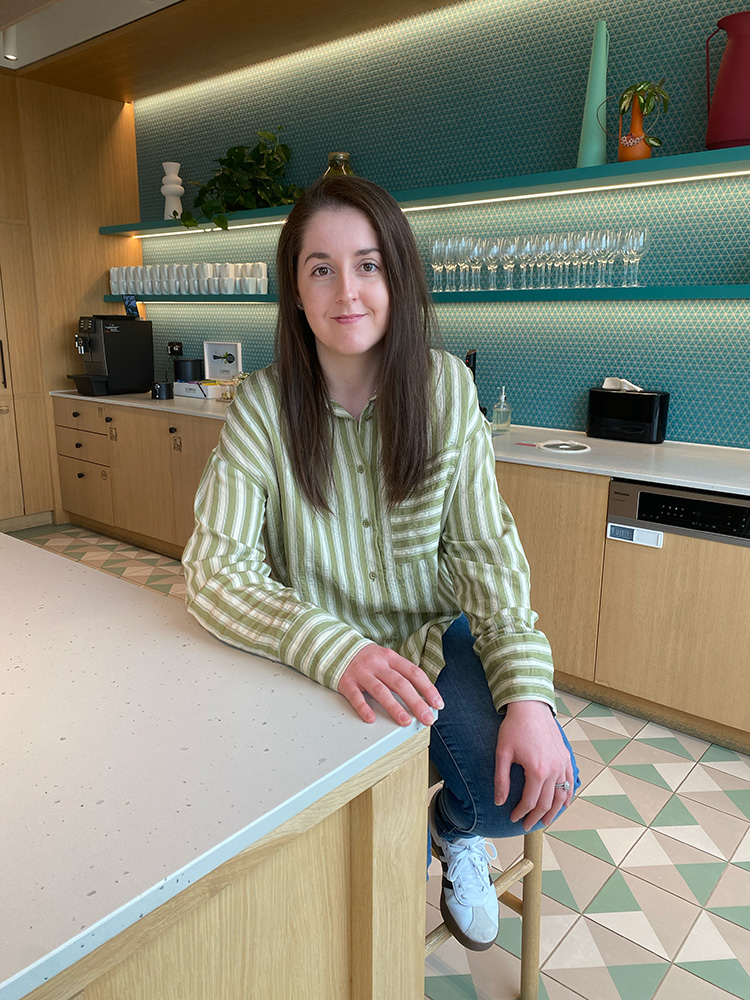
Held at FORA Cambridge, the event focused on the neighbouring Botanic Place development, which has achieved BREEAM Outstanding certification. To bring the project to life, SWW welcomed Thomas Gardner from Allford Hall Monaghan Morris (AHMM) the lead architect at Botanic Place and Rebecca Roe the Environment and Sustainability Advisor for Skanska, the construction lead on the project to share their industry expertise and insights into the projects.
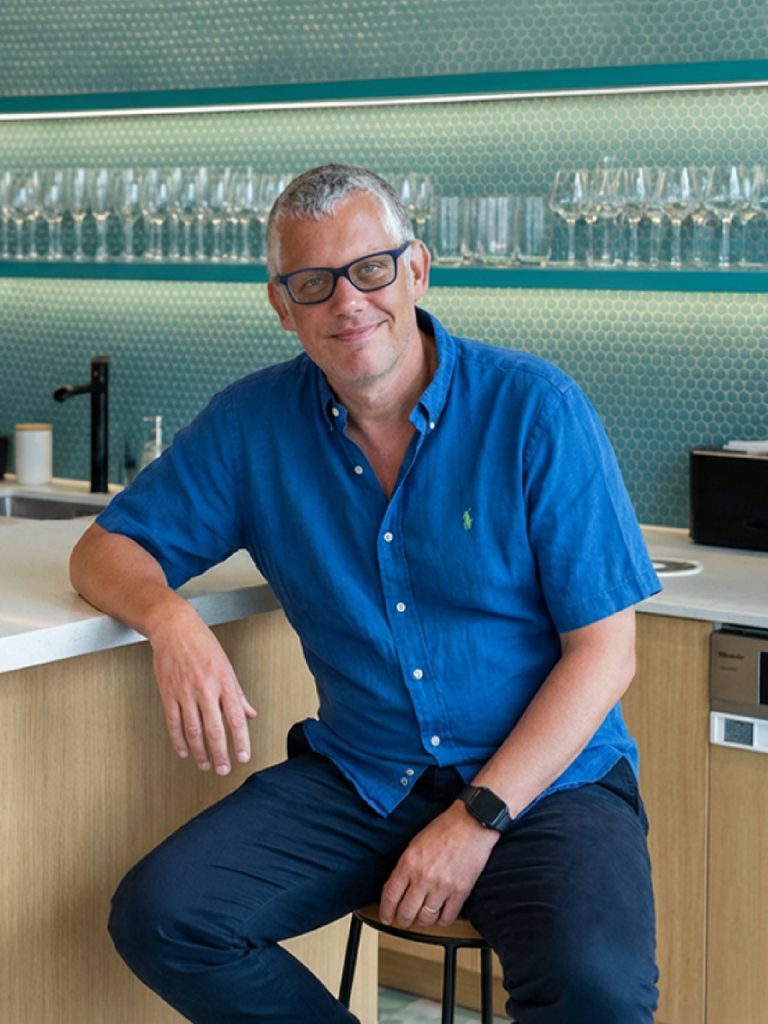
To kick off the evening, we welcomed event sponsor, Andrew Robinson from United Anodisers, who shared an insight into the company and its work, exploring the role of anodised aluminium within the construction industry.
Next, we welcomed our headline sponsor, Paul Carter and Jeroen Sniekers from Aluminium Duffel, who introduced the company and its work within the architectural aluminium industry. Their presentation explored the environmental considerations surrounding aluminium façades, looking at the role aluminium can play in more sustainable building design.
After a short break, we welcomed Thomas Garnder, Lead Architect at Allford Hall Monaghan Morris (AHMM), who took attendees through the story behind the Botanic Place development.
With the project still underway and completion expected in 2028, Thomas shared an insight into the design process, the decisions made along the way and the thinking behind the building’s specification.
A key focus of the presentation was material selection, particularly the importance of longevity when designing and specifying a building. Looking beyond the initial construction phase, the discussion explored why choosing the right materials is important, not only for the immediate performance and appearance of the building, but also for how long it will stand the test of time.
Following Thomas’s presentation, Rebecca Roe, Environment and Sustainability Advisor at Skanska, shared a closer look at the sustainability considerations behind Botanic Place.
A particular focus was the use of material passports within the project. These provide detailed information about the materials used within a building, creating a record of their composition, origin and potential for future reuse.
By documenting the materials incorporated into a development, material passports can help improve transparency across the construction industry and support a more circular approach to building. Rather than viewing materials as waste once they are no longer needed, this information can help identify opportunities for recovery, reuse and recycling.
Alongside the environmental considerations, Rebecca also shared some of the community initiatives taking place as part of the project, highlighting Skanska’s work to create a positive impact beyond the development itself and support the local community.
The use of material passports on the project generated considerable interest during the evening, becoming a key talking point during the Q&A session. It highlighted the growing importance of understanding not just where materials come from and how they are used, but what happens to them long after a building has been constructed.
The evening provided a valuable opportunity to bring together professionals from across the construction industry to share knowledge, explore new approaches and discuss the challenges and opportunities surrounding sustainable construction.
From considering the longevity of materials during the design process to understanding their future potential through material passports, the presentations highlighted the importance of looking at sustainability from every angle.
As the construction industry continues to evolve, conversations like these will play an important role in sharing knowledge and encouraging collaboration in helping shape a more sustainable built environment.
SWW Marketing would like to extend a big thank you to everyone who contributed to the evening, particularly our speakers and sponsors. Special thanks go to headline sponsor Aluminium Duffel, alongside event sponsors United Anodisers and Belfry Facade Systems, for their support. We’d also like to thank everyone who attended and helped make Sustainability Starts with Materials such a successful event.